April 3, 2026
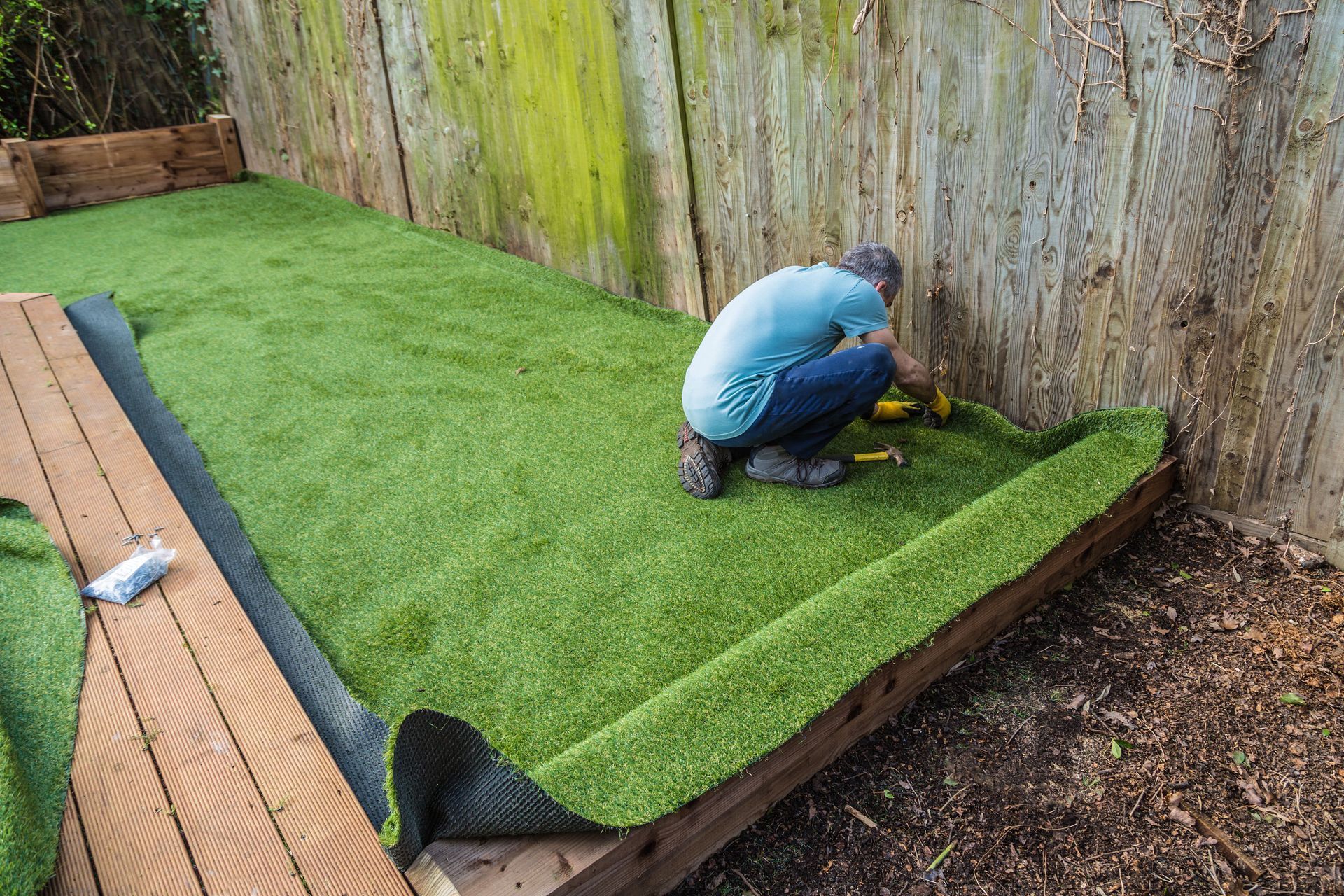
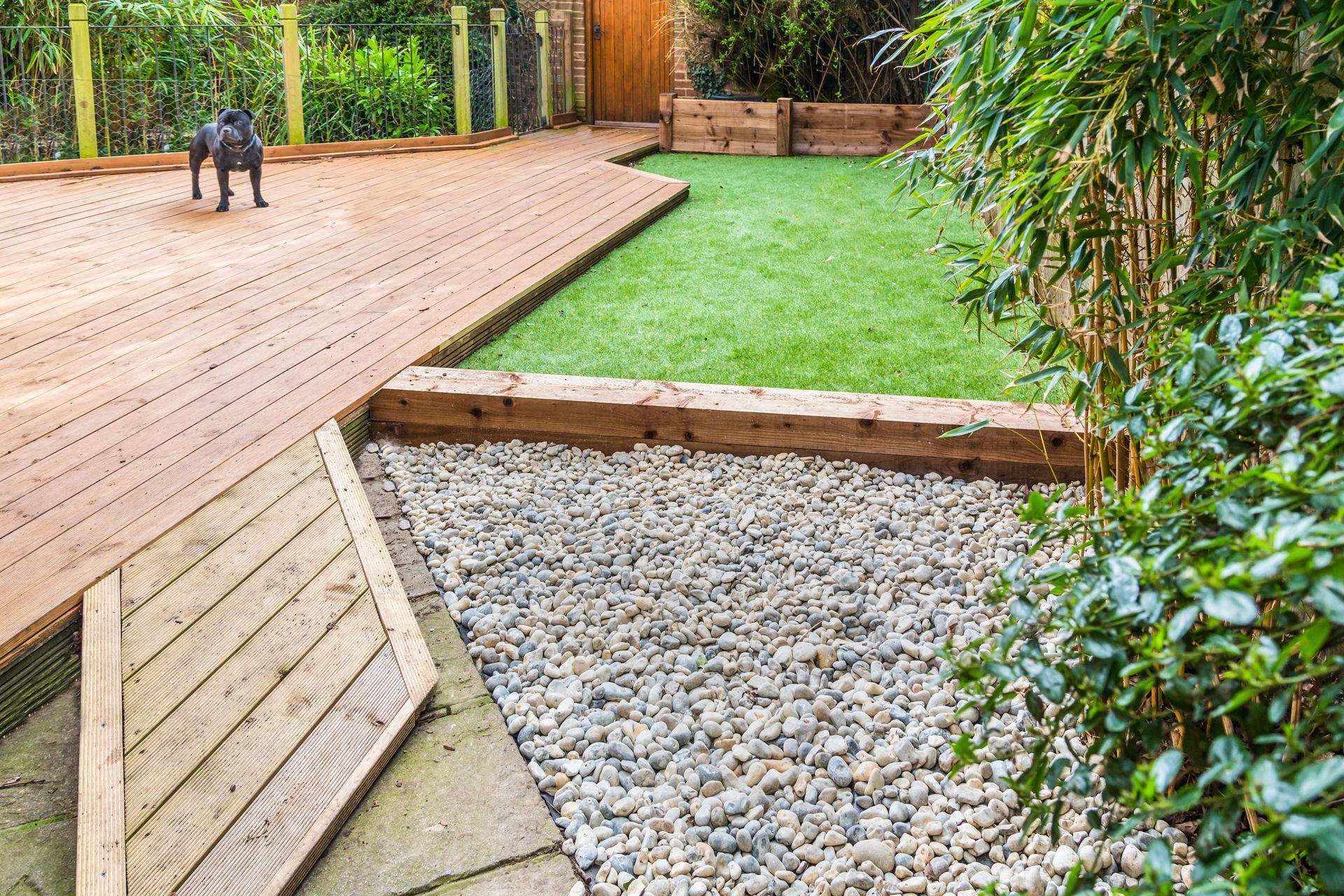
Artificial grass is often misunderstood as an environmentally unfriendly choice, but that perception overlooks the many meaningful ecological benefits that synthetic turf provides. Unlike natural lawns, artificial grass requires little to no watering, helping conserve significant amounts of water—an increasingly precious resource in many regions. It also eliminates the need for fertilizers, herbicides, and pesticides, reducing chemical runoff that can harm local waterways and ecosystems. Additionally, artificial turf minimizes the use of gas-powered lawn equipment, cutting carbon emissions and lowering overall energy consumption. Beyond these practical benefits, synthetic grass provides a long-lasting, low-maintenance solution that stays green year-round, reducing waste from frequent reseeding or replacing natural sod. Together, these factors make artificial grass a truly sustainable and eco-friendly option for homeowners and commercial properties looking to balance beauty, functionality, and environmental responsibility.
1. Conserve Water With Every Season
One of the most compelling environmental benefits of artificial grass is its ability to eliminate the need for irrigation entirely. Natural lawns require consistent watering to stay healthy, placing significant strain on local water supplies — especially in drought-prone regions where water resources are already limited. Synthetic turf stays green year-round without a single drop of irrigation, making it an ideal solution for areas facing water scarcity.
The impact of this water savings extends beyond individual properties. When communities widely adopt artificial grass installation, pressure on municipal water systems decreases, allowing water management resources to be directed toward more critical needs. Local water tables also benefit, as reduced water extraction helps maintain the groundwater levels that support surrounding ecosystems. Streams, rivers, and wetlands can sustain healthier flow rates when competition for water resources diminishes, supporting broader biodiversity and ecological balance.
2. Eliminate Harmful Pesticides and Herbicides
Maintaining a natural lawn typically involves regular applications of pesticides and herbicides to manage pests and suppress weed growth. These chemicals can leach into soil, run off into waterways, and harm non-target species — including pollinators, beneficial insects, and aquatic life. Artificial grass removes the need for these chemical interventions entirely, creating a safer environment for the plants and wildlife that surround your property.
The long-term ecological benefits of going chemical-free are significant. Without pesticide and herbicide runoff entering local waterways, aquatic ecosystems face far less chemical stress, supporting healthier fish populations and cleaner drinking water sources. For urban and suburban landscapes in particular, where chemical applications from multiple properties can accumulate, the collective reduction from widespread artificial grass installation represents a meaningful step toward cleaner, more sustainable communities.
3. Reduce Fertilizer Dependence and Runoff
Natural lawns depend heavily on fertilizers to maintain their lush appearance, but these nutrients often wash into nearby streams, rivers, and lakes through stormwater runoff. This process, called eutrophication, fuels excessive algae growth, which depletes oxygen levels in the water and can devastate fish and other aquatic life. Artificial grass eliminates the need for fertilizers entirely, removing a major source of nutrient pollution from residential and commercial landscapes. By cutting this runoff at the source, synthetic turf helps protect local waterways, reduces harmful algae blooms, and promotes healthier aquatic ecosystems over time.
Beyond the benefits to water quality, eliminating fertilizers also supports soil health and biodiversity. Without synthetic chemical inputs, natural soil organisms can thrive, maintaining essential biological processes that contribute to nutrient cycling and soil structure. This creates a more resilient and balanced ecosystem beneath and around landscaped areas. In urban settings, where fertilizer runoff from multiple properties can quickly accumulate, the environmental advantages of adopting artificial grass installation are especially significant, helping communities reduce their ecological footprint while enjoying the aesthetic and functional benefits of a low-maintenance, green landscape.
4. Cut Carbon Emissions From Lawn Maintenance
Gasoline-powered lawn mowers, trimmers, and other maintenance equipment are a notable source of carbon emissions and air pollution. Regular mowing schedules mean these machines run frequently throughout the growing season, contributing to both local air quality issues and broader climate impacts. Artificial grass removes the need for this equipment entirely, eliminating a recurring source of fossil fuel consumption from the landscape maintenance cycle.
According to Lawn Love, while the initial investment in artificial turf is higher than seeding a natural lawn, synthetic grass lasts between 10 and 25 years and requires no ongoing maintenance — meaning the environmental benefits of zero emissions compound over a remarkably long period. Even electric lawn care equipment, though cleaner than gasoline alternatives, still draws on energy that may come from non-renewable sources. Artificial grass installation sidesteps this issue entirely, establishing a genuinely zero-emission standard for lawn care that supports both urban air quality goals and broader climate commitments.
5. Extend Durability and Reduce Resource Use
The durability of artificial grass is one of its most environmentally impactful qualities. Engineered to endure heavy foot traffic, extreme weather conditions, and long-term use, synthetic turf maintains its appearance and functionality without the frequent reseeding, soil amendments, or chemical treatments that natural lawns require. This inherent resilience reduces the continual consumption of water, fertilizers, and other resources, making artificial grass a highly resource-efficient and sustainable landscaping option. Over time, homeowners and property managers benefit from a low-maintenance solution that minimizes both environmental strain and ongoing upkeep costs.
In contrast, natural lawns are highly susceptible to seasonal wear, drought, and organic decay, which trigger repeated cycles of irrigation, fertilization, and replanting. Each of these interventions consumes water, energy, and materials, contributing to a larger cumulative environmental footprint. Artificial grass installation interrupts this cycle, cutting down on repeated resource use and reducing the overall ecological impact of maintaining a vibrant landscape. Additionally, by limiting soil disruption and minimizing the need for energy-intensive maintenance equipment, synthetic turf supports more stable and sustainable land management practices, creating long-term environmental benefits alongside a consistently attractive outdoor space.
6. Minimize Yard Waste and Support Sustainable Materials
Natural lawn maintenance generates a steady stream of organic waste — grass clippings, dethatching debris, and seasonal refuse — that burdens waste management systems and contributes to landfill accumulation. Artificial grass produces none of this ongoing waste, offering a clean break from the cyclical refuse that traditional lawn care generates. For large-scale applications such as parks and commercial properties, this reduction in yard waste represents substantial resource optimization.
Modern artificial grass is also increasingly manufactured using sustainable and recyclable materials, further strengthening its environmental credentials. Many manufacturers now use recycled plastics and polyolefin fibers that offer both durability and a reduced environmental footprint compared to older production methods. As the industry continues to shift toward circular economy practices — where materials are designed for reuse and recyclability from the outset — artificial grass installation is becoming an even more eco-conscious choice for homeowners and municipalities looking to align their landscapes with their environmental values.
The environmental advantages of artificial grass are wide-ranging and well-documented, from water conservation and chemical elimination to carbon reduction and long-term resource efficiency. Each benefit reinforces the case that artificial grass is not just a practical landscaping decision but a genuinely sustainable one. When approached thoughtfully, synthetic turf offers a way to maintain beautiful, functional outdoor spaces while meaningfully reducing your environmental impact.
If you are ready for an artificial grass installation that works for both your property and the planet, contact us at FlagScaping today. We will help you design and install the right solution for your space, backed by expertise and a commitment to quality.