April 23, 2026
Artificial turf has become an increasingly popular alternative to traditional grass lawns, offering homeowners and businesses a low-maintenance solution that delivers lasting visual appeal. From eliminating routine watering to reducing chemical use, artificial turf installation transforms how people approach landscaping for both residential and commercial properties. As environmental considerations grow more pressing, artificial turf also addresses sustainability concerns by reducing water consumption and chemical applications. Understanding the full range of benefits can help property owners make informed decisions about their landscaping needs.
1. Eliminate the Need for Watering
One of the most immediate benefits of artificial turf installation is removing the need for regular irrigation. Natural grass demands significant amounts of water, especially in drought-prone regions or areas with hot climates, placing ongoing strain on both resources and household budgets. Artificial turf remains vibrant and lush without any watering, making it a practical solution regardless of local climate conditions. As water restrictions become increasingly common across many communities, a lawn that thrives without irrigation offers a reliable, forward-thinking alternative. The transition not only conserves a precious resource but also supports broader community efforts to manage water more responsibly.
Reducing water usage carries meaningful environmental benefits that extend well beyond any individual property. High water demand from traditional lawns can contribute to local shortages and place unnecessary pressure on natural ecosystems. Artificial turf provides a sustainable landscaping option that alleviates this strain, aligning with global initiatives to preserve water resources and address climate challenges.
2. Lower Lawn Maintenance Demands
Natural grass requires regular mowing, which involves purchasing, fueling, and maintaining lawn equipment — all of which demand ongoing time and effort. Artificial turf installation eliminates the need for mowing entirely, freeing homeowners from one of the most labor-intensive aspects of lawn care. Fertilizers represent another recurring burden for natural grass owners, requiring regular application to maintain soil quality and support healthy growth. Artificial turf needs no fertilization, removing this routine responsibility from the homeowner's schedule while also preventing chemical runoff into local waterways. The result is a cleaner, safer lawn environment that benefits the surrounding ecosystem.
Pest control is another area where artificial turf delivers significant relief. Natural grass can serve as a habitat for insects and small rodents, often requiring chemical treatments to manage infestations. Artificial turf provides a far less hospitable environment for pests, reducing the need for pesticides and insecticides that can pose health risks to children and pets. Specialized lawn care tools such as aerators and weeding equipment also become largely unnecessary, simplifying storage and reducing the demands on homeowners with large yards or busy schedules.
3. Maximize Longevity and Durability
Artificial turf is composed of durable materials engineered to withstand heavy use and extreme weather conditions. Unlike natural grass, which can thin out, brown, or suffer lasting damage from foot traffic and seasonal shifts, artificial turf maintains its integrity under pressure. This resilience significantly reduces the need for frequent repairs or replacements, making artificial turf installation a sound long-term landscaping decision. Advances in turf technology — including UV stabilization and improved backing structures — continue to enhance the product's performance and lifespan, with quality turf lasting up to 15 years with proper care. Staying current with these industry improvements ensures that the investment holds its value over time.
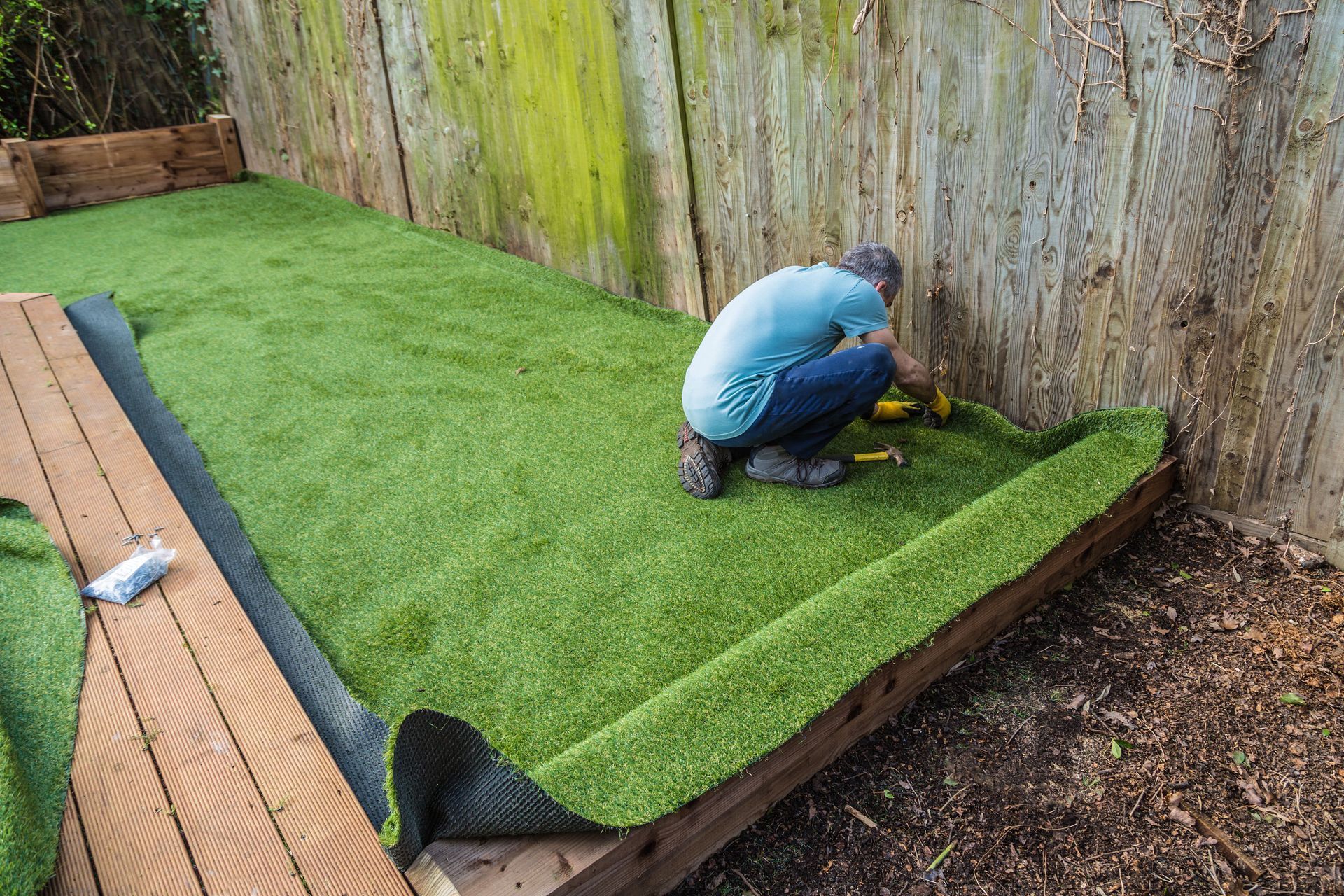
Warranty coverage adds another layer of confidence for property owners considering artificial turf. Most quality products come with comprehensive warranties that protect against defects or premature wear over a period of several years. These warranties often include provisions for repair or replacement, providing peace of mind and mitigating the risk of unexpected disruptions. According to Lawn Love, turf is typically sold in rolls that are 5, 7, 10, or 15 feet wide, with buyers purchasing whatever length their space requires — a flexible purchasing structure that makes it easier to plan and execute an installation with minimal waste.
4. Maintain Consistent Year-Round Appearance
One of the most appreciated qualities of artificial turf is its ability to maintain a lush, vibrant appearance regardless of season or weather. Natural grass is vulnerable to temperature extremes, drought, and uneven growth patterns that can leave lawns looking patchy or discolored throughout the year. Artificial turf sidesteps these issues entirely, delivering a consistent aesthetic that enhances curb appeal in every season. This reliability is particularly valuable for property owners who take pride in their outdoor spaces or are preparing a home for the market. A well-maintained, visually consistent lawn signals quality and care to visitors and prospective buyers alike.
Weed growth is another ongoing challenge for natural lawn owners that turf installation effectively addresses. Engineered to minimize or eliminate weed proliferation, artificial turf reduces the need for herbicides and the labor associated with regular weeding. Seasonal preparation tasks — such as reseeding, aeration, and fertilization — are also largely unnecessary, freeing up time and energy that would otherwise go toward keeping a natural lawn presentable.
5. Increase Usable Outdoor Space
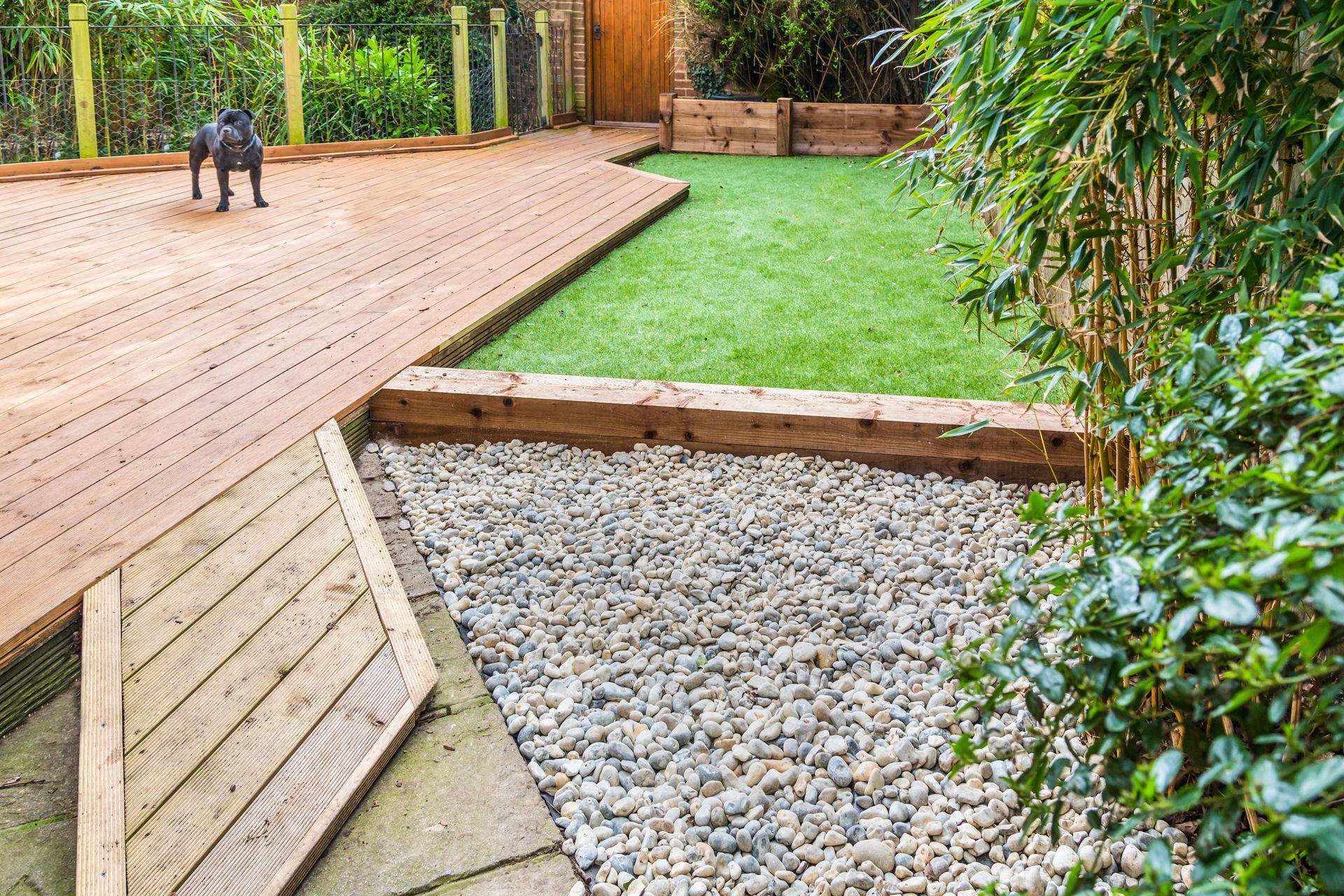
Artificial turf installation allows property owners to maximize their outdoor areas by transforming uneven, patchy, or underutilized ground into functional, attractive spaces. This benefit is especially valuable in urban settings or properties with limited yard area, where every square foot counts. Artificial turf can accommodate a wide variety of activities — from casual family gatherings and children's play to sports like soccer or football — without suffering the wear and tear that would damage natural grass. Its resilience under heavy foot traffic means the lawn looks just as good after a large outdoor event as it did before. This versatility makes it a practical choice for households with active lifestyles and multi-purpose outdoor needs.
Modern artificial turf also incorporates safety features that make it suitable for families with children and pets. Many varieties include non-slip surfaces and cushioned padding, providing impact protection during active play and reducing the risk of injury. After hosting events on natural grass, restoration work is often necessary due to soil disruption and foliage damage — a concern that artificial turf eliminates.
6. Reduce Pest and Allergen Exposure
Grass pollen is a well-known irritant that can trigger allergies and discourage outdoor enjoyment for sensitive individuals. Artificial turf significantly reduces allergen presence in yard spaces, creating a more inclusive outdoor environment for family members with respiratory conditions or allergies. Natural grass environments also serve as common breeding grounds for insects and small rodents, leading to pest infestations that can be difficult and disruptive to manage. Artificial turf provides a far less hospitable habitat for pests, reducing the likelihood of infestation without relying on chemical interventions. This refined approach to pest management supports a healthier, more comfortable living environment.
The reduction in chemical use that comes with artificial turf installation carries meaningful long-term health benefits. Without the need for fertilizers, pesticides, or herbicides, the risk of chemical exposure for children and pets who spend time on the lawn is substantially lowered. Purer air and soil quality are among the downstream benefits of this shift, contributing to healthier surroundings for the entire household. Less chemical runoff also means a reduced impact on local waterways and ecosystems, reinforcing the environmental case for artificial turf.
From eliminating watering and reducing maintenance demands to increasing usable outdoor space and protecting family health, the advantages span every aspect of property ownership. The durability and consistency of quality turf ensure that these benefits compound over time, making it a smart long-term landscaping solution for both residential and commercial properties. Whether motivated by environmental responsibility, lifestyle convenience, or a desire for a year-round beautiful lawn, property owners have strong reasons to consider making the switch. If you are ready for a lawn that works as hard as you do, contact us at FlagScaping today — we will help you find the right artificial turf installation solution for your property and bring your outdoor vision to life.