November 26, 2025
Creating an eco-friendly property starts with thoughtful planning, intentional choices, and a commitment to working with nature rather than against it. Sustainable landscaping is more than a trend—it’s a long-term approach to outdoor spaces that prioritizes conservation, biodiversity, and environmental health. Today’s homeowners want yards that look beautiful, function efficiently, and leave a lighter footprint on the planet. According to IBISWorld, the landscape services industry had a market size of $153 billion in 2024, showing just how invested homeowners and businesses have become in transforming their outdoor spaces. If you're ready to upgrade your yard with purpose, exploring sustainable landscape design ideas can help you build a property that thrives naturally, saves resources, and supports a healthier ecosystem.
Using Native Plants to Support Biodiversity
One of the most effective strategies in sustainable landscape design is selecting native plants. These plants are naturally adapted to your region’s climate, soil, and rainfall patterns, making them easier to maintain without irrigation, pesticides, or chemical fertilizers. Native plant gardens also support local pollinators such as bees, butterflies, and birds. Because the plants evolve alongside native wildlife, they offer better food sources and shelter than many imported species. With a thoughtful combination of shrubs, wildflowers, ground covers, and native grasses, you can create a visually appealing landscape that requires fewer resources and helps restore ecological balance.
Native planting also reduces the risk of invasive species crowding out local vegetation. By working with native varieties, you protect your yard and surrounding areas from ecological disruption. Sustainable landscape design focuses heavily on low-maintenance natural beauty, and native plants deliver exactly that—beautiful, resilient greenery without the need for heavy upkeep.
Incorporating Water-Efficient Irrigation Systems
Water is one of the most precious resources in outdoor landscaping. Sustainable designs focus on maximizing efficiency and minimizing waste. Drip irrigation systems are one of the best ways to achieve this. Unlike traditional sprinklers that spray water into the air—where much of it evaporates—drip systems deliver moisture directly to the root zone. This reduces water usage and improves plant health.
Rain sensors, smart controllers, and soil-moisture monitors can also help regulate watering schedules and prevent overwatering. For homeowners who want an even more sustainable solution, collecting rainwater in barrels or cisterns can provide a free, natural water source for garden beds and shrubs. These systems capture stormwater runoff that would normally wash away into drains and instead reuse it within your landscape.
Creating Rain Gardens to Manage Stormwater
Stormwater management plays a major role in eco-friendly landscaping. Heavy rainfall can wash pollutants into nearby waterways, erode soil, and flood low-lying areas. A rain garden is a beautiful and functional solution that allows rainwater to naturally filter through soil and plant roots rather than rushing across hard surfaces. These shallow, planted depressions capture runoff from roofs, driveways, and patios, giving water time to slowly absorb into the ground.
Rain gardens are typically filled with native plants and deep-rooted species that tolerate both wet and dry conditions. They help filter out pollutants, reduce erosion, and replenish groundwater naturally. As part of a sustainable landscape design, a rain garden becomes both an attractive focal point and a responsible environmental feature.
Using Permeable Hardscaping Materials
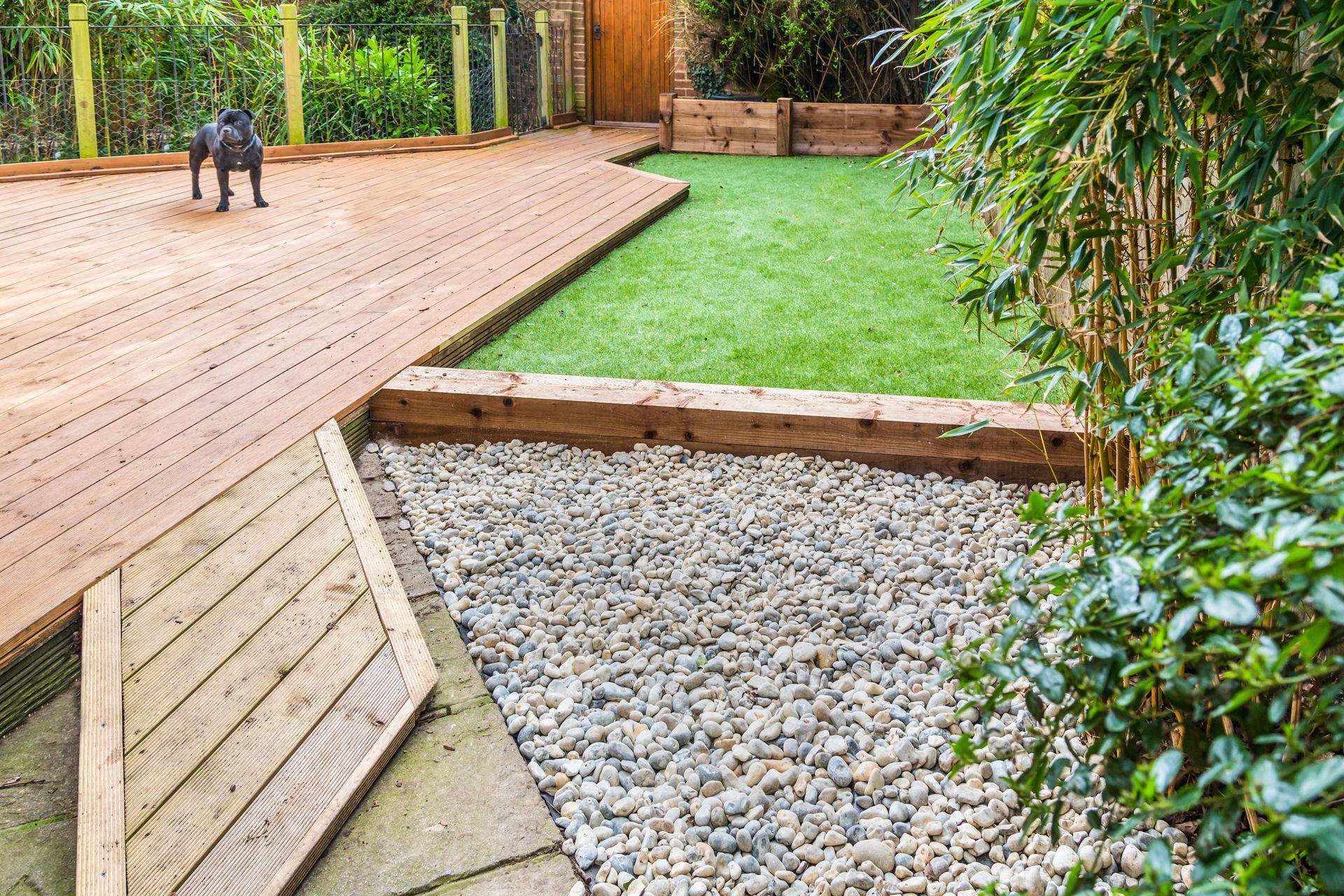
Traditional concrete surfaces block rainwater from soaking into the soil, contributing to runoff and drainage problems. Permeable hardscaping materials—including permeable pavers, gravel, crushed stone, and porous concrete—allow water to pass through and return to the earth. This supports better drainage, reduces erosion, and lowers the risk of flooding.
Driveways, walkways, patios, and even seating areas can be constructed using permeable materials that blend sustainability with modern aesthetics. When paired with native plantings and proper grading, permeable hardscapes become key elements in a landscape design that respects natural water cycles and improves long-term soil health.
Reducing Lawn Sizes for Lower Resource Use
While traditional turf lawns are common, they require significant water, mowing, fertilizing, and maintenance. Reducing the size of your lawn—or replacing it entirely—can dramatically lower your property’s environmental footprint. Eco-friendly alternatives include native ground covers, clover lawns, ornamental grasses, and meadow plantings.
These alternatives require significantly less water, grow well without chemicals, and support biodiversity. By reducing your turf footprint, you lessen dependence on lawn equipment that emits carbon, as well as fertilizers that may contribute to pollution. Lawn alternatives also create more dynamic and visually interesting outdoor spaces that change with the seasons.
Designing Pollinator-Friendly Zones
A healthy ecosystem depends heavily on pollinators. Bees, butterflies, hummingbirds, and other species play essential roles in food production and plant growth. Creating a pollinator-friendly environment is a key part of sustainable landscape design. Planting nectar-rich flowers, flowering shrubs, and host plants offers food and shelter for pollinating species.
Consider grouping plants with staggered blooming periods so pollinators have resources throughout spring, summer, and fall. Avoid pesticides that harm bees and beneficial insects. Add shallow water dishes, small shelters, or even bee houses to help pollinator populations thrive. These thoughtful additions support a healthier, more vibrant outdoor environment.
Choosing Sustainable Building Materials
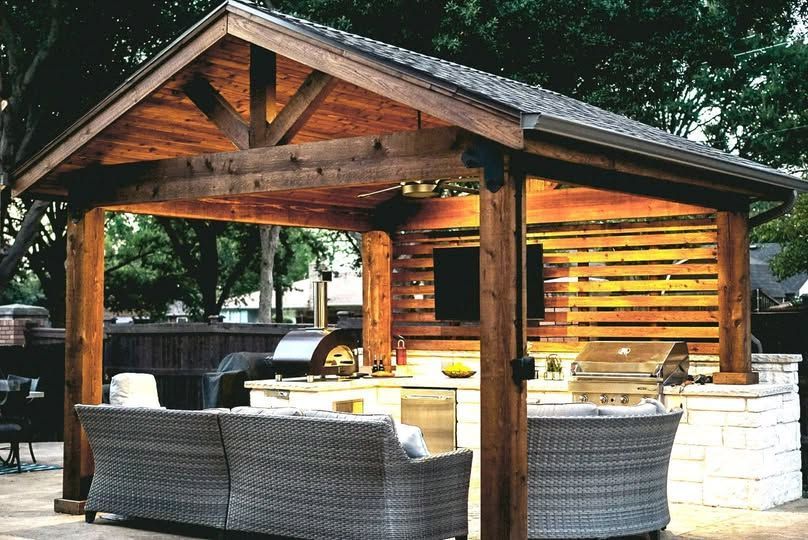
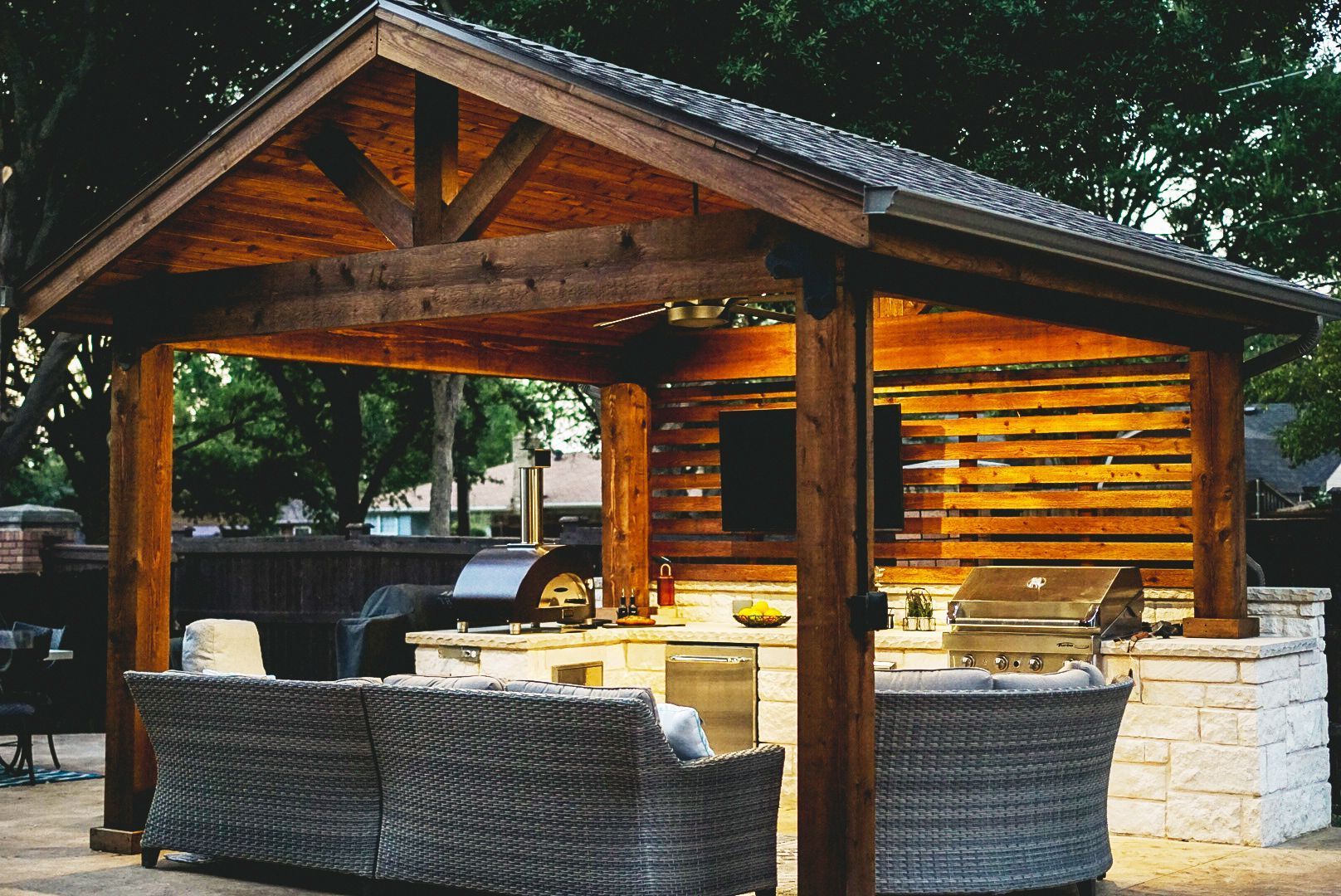
Outdoor structures such as decks, fences, and pergolas benefit greatly from sustainable material choices. Reclaimed wood, recycled plastic composite boards, bamboo, and natural stone all make eco-friendly building options. These materials reduce environmental impact, last longer, and often require less maintenance.
Composite decking, for example, is made from recycled materials and resists rot, splintering, and insect damage. Reclaimed wood adds rustic charm while repurposing resources that would otherwise go to waste. Incorporating sustainable materials into your landscape design helps reduce consumption and promotes longevity in your outdoor structures.
Adding Edible Landscaping for Daily Sustainability
One of the most rewarding eco-friendly landscaping ideas is planting edible gardens. Fruits, vegetables, herbs, and berry bushes contribute to your daily meals while reducing reliance on store-bought produce. Edible gardens cut down on packaging waste, transportation emissions, and household expenses.
A well-designed edible landscape doesn't need to resemble a traditional garden plot—it can be integrated seamlessly into ornamental beds, containers, or mixed borders. Blueberry bushes, for example, offer beautiful foliage and edible fruit, while herbs like rosemary and thyme add fragrance and greenery. Edible landscaping is both practical and aesthetically pleasing, making it a perfect addition to sustainable outdoor design.
Implementing Sustainable Maintenance Practices
Sustainable landscape design goes beyond initial installation. Maintenance practices should align with environmental goals as well. This includes using organic mulches, compost, natural fertilizers, and avoiding synthetic chemicals. Mulching reduces water evaporation, regulates soil temperature, and suppresses weeds naturally.
Electric lawn tools or manual equipment can replace gas-powered mowers and trimmers to reduce emissions. Leaving grass clippings on the lawn returns nutrients to the soil, reducing fertilizer needs. These long-term choices ensure your landscape stays healthy without harming the environment.
Creating Wildlife Habitats to Encourage Ecological Balance
Eco-friendly properties aim to make room for native wildlife rather than pushing it away. Features such as birdhouses, bat boxes, rock piles, and small brush areas create safe habitats for beneficial species. Birds help control pests, bats reduce mosquito populations, and small mammals contribute to soil health.
Even adding a small water source, such as a birdbath or a shallow pond, can support these species. The goal is to restore natural balance and encourage wildlife to coexist peacefully within your outdoor space.
Designing for Long-Term Climate Resilience
As weather patterns shift, sustainable landscapes must be designed to handle changing conditions. Drought-tolerant plants, shade trees, windbreaks, and erosion control plantings help stabilize your yard and reduce vulnerability to extreme weather. Shade trees in particular offer cooling benefits, reducing energy usage while improving comfort in outdoor areas.
Strong root systems, dense plantings, and strategic shading improve your yard’s ability to withstand heat waves, storms, and heavy rainfall. These climate-resilient choices are essential for landscape design that stands the test of time.
Sustainable landscaping is a thoughtful investment that benefits your home, your environment, and your community. By choosing native plants, conserving water, reducing chemicals, and building with purpose, you create a property that thrives naturally and beautifully. At FlagScaping, we specialize in eco-friendly landscape design that blends creativity with sustainability. Contact us today to explore ideas that enhance your outdoor spaces while protecting the environment for future generations.