February 24, 2026
Creating a functional landscape design goes far beyond choosing attractive plants. A thoughtfully planned outdoor space should support your lifestyle, encourage relaxation, and enhance the overall value of your property. As homeowners place greater emphasis on wellness and outdoor living, landscapes are increasingly designed with purpose in mind. In fact, according to Martha Stewart, requests for wellness-focused backyard spaces increased by nearly 29% in 2025, reflecting a growing desire for environments that promote comfort and well-being. By understanding and applying core landscape design principles, you can transform your yard into a balanced, practical, and inviting extension of your home.
Apply Core Landscape Design Principles
Understanding the fundamental principles of landscape design is crucial for anyone looking to enhance their outdoor environment. These principles serve as guidelines that help designers create spaces that are not only pleasing to the eye but also practical for everyday use. A well-designed landscape seamlessly combines various elements like plants, structures, and natural features to create an ecosystem that supports both human activity and wildlife. By adhering to these principles, one ensures that the landscape design achieves its intended purpose while adding value to the property.
One of the primary reasons landscape design is essential is that it helps individuals create outdoor spaces that meet their personal needs and preferences. Whether it's a cozy reading nook, a lively entertainment area, or a serene garden, the right design can transform any backyard into a special retreat. By applying design principles such as balance, proportion, and harmony, homeowners can ensure that all elements of their landscape work together cohesively.
The application of landscape design principles is not just for professionals; even homeowners with a do-it-yourself mindset can benefit from understanding these foundational guidelines. From creating visual interest to ensuring functionality, each principle plays an integral role in the dynamics of an outdoor space. With the right approach, even the most challenging spaces can be transformed into functional and beautiful outdoor environments. As we explore these principles, remember that the goal is to create a space that reflects your lifestyle and offers lasting enjoyment.
Create Balance and Establish Harmony
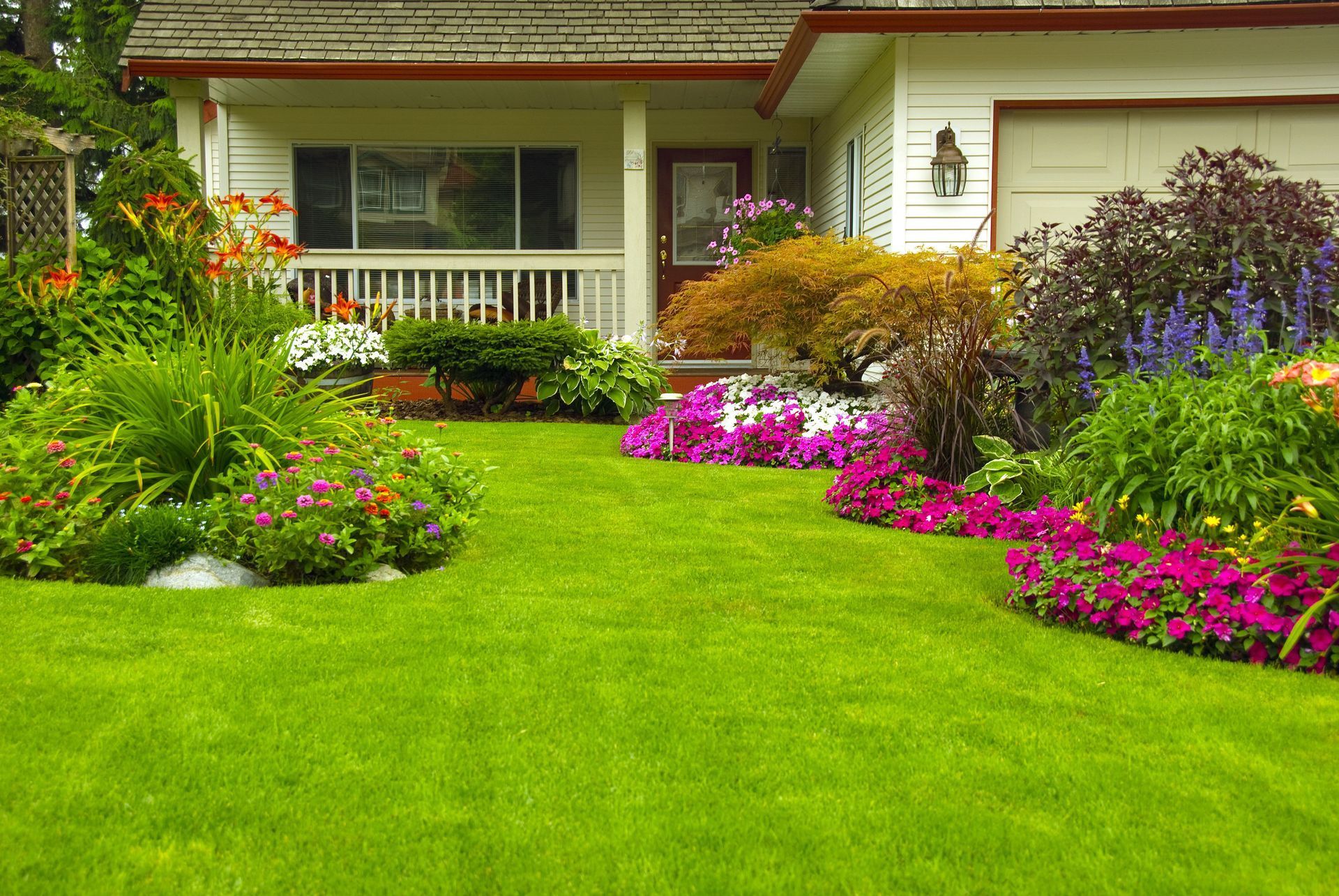
Balance and harmony are integral components of successful landscape design, ensuring that each element of the environment complements the others. Balance is the distribution of visual weight within the landscape and can be symmetrical or asymmetrical. Symmetrical balance involves mirroring elements on either side of a central axis, creating a formal and structured look. In contrast, asymmetrical balance incorporates different elements that have equal visual weight, offering a more relaxed and natural appearance.
Harmony, on the other hand, involves the cohesive blending of all elements within the landscape to create a unified look. It ensures that plants, structures, and accessories work together to form a seamless and aesthetically pleasing environment. Achieving harmony often involves repeating certain colors, shapes, or materials throughout the design. By focusing on harmony and balance, designers can create landscapes that not only look good but also feel right.
Maintaining balance and harmony is crucial for creating a landscape that is not overwhelming or chaotic. At its core, a well-balanced landscape design addresses both form and function, considering the aesthetic appeal and practical needs of the users. Homeowners who invest time in understanding these principles can transform even modest outdoor spaces into retreats. The incorporation of wellness-focused elements like meditation areas or yoga spaces can be easily achieved within a balanced and harmonious design framework.
Maintain Proper Proportion and Scale
Proportion and scale are key considerations in landscape design, particularly when working with different sizes of features and structures. Proportion refers to the size relationship between elements and the overall space, while scale pertains to the size of objects in relation to one another. Getting these aspects right is essential for creating a welcoming and functional outdoor area. Without appropriate proportion and scale, a landscape can feel cramped or empty, reducing its usability and enjoyment.
When designing a landscape, it's essential to consider the human scale to ensure that the space feels comfortable and intuitive. This means that walkways should be wide enough for easy passage, seating areas should offer ample space, and plantings should not overwhelm or obscure important views. A well-proportioned design also considers the height and spread of plants and structures, ensuring they fit well within their designated space without appearing out of place.
Incorporating proper proportion and scale can greatly enhance the visual and functional appeal of a landscape. By maintaining a balanced relationship between various elements, designers can create an environment that feels spacious yet organized. For instance, taller plants might be used to create vertical interest without overshadowing smaller elements. This detailed attention to proportion and scale helps ensure that all aspects of the design work together harmoniously.
Combine Unity and Variety Strategically
Unity and variety are essential principles that help create visually appealing and engaging landscape designs. Unity refers to the cohesive arrangement of elements where everything appears as part of a single theme or idea. Achieving unity often involves consistent use of colors, textures, and materials throughout the landscape. This principle ensures that each component is not just an isolated entity but part of a larger narrative within the space.
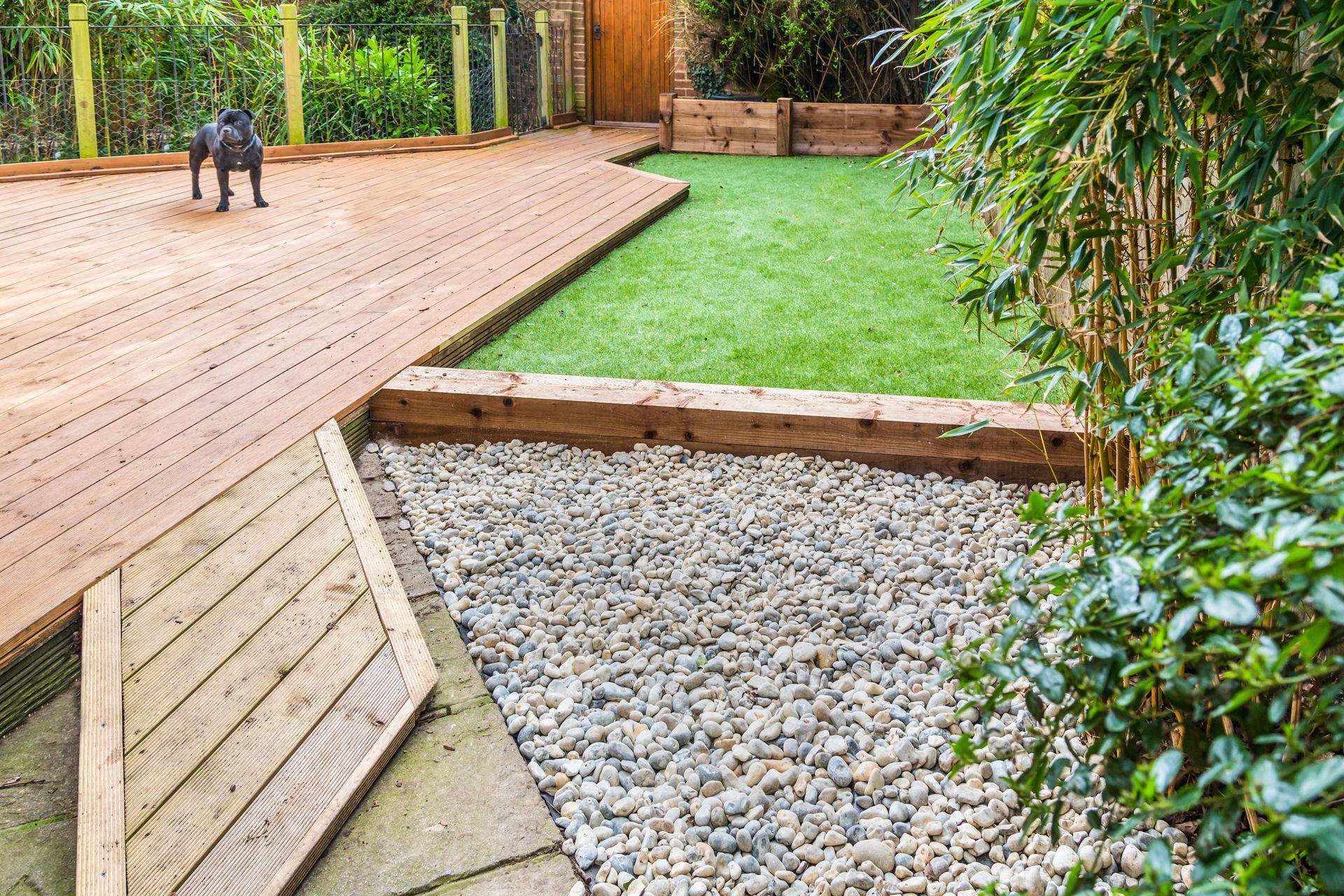
While unity adds coherence, overdoing it can lead to monotony. This is where the principle of variety comes into play. Variety involves incorporating different shapes, colors, and textures to create interest and movement within the space. Striking a balance between unity and variety ensures that a landscape is not only cohesive but also dynamic and interesting.
Effective use of unity and variety can transform an ordinary garden into an extraordinary retreat. Landscapes designed with these principles in mind often have a rhythm and flow that guide the viewer's eyes naturally through the space. Skillfully combining unity with variety ensures that a landscape is engaging, visually stimulating, and full of surprises. By mastering this balance, designers can create dynamic and functional outdoor areas that are both beautiful and inviting.
Incorporate Strong and Purposeful Focal Points
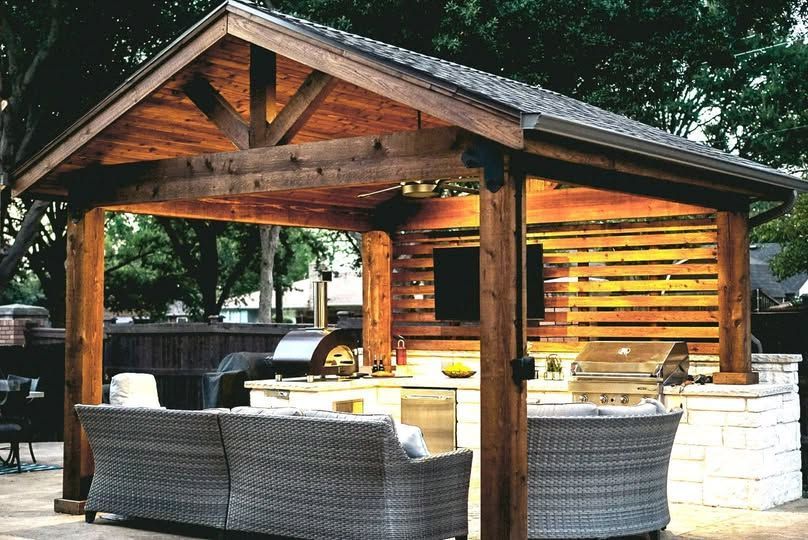
An important aspect of landscape design is focal points, drawing attention to specific features and lending structure to the overall layout. A focal point can be a striking plant, a piece of garden art, a water feature, or even a sitting area. The purpose of a focal point is to capture interest and create a sense of direction within a landscape. By emphasizing focal points, designers can guide visitors through the space in a purposeful and intentional manner.
Carefully chosen focal points not only anchor the design but also enhance its functionality by directing movement and use of space. They provide visual interest and can make a strong statement about the overall theme or style of the garden. In large gardens, multiple focal points may be used to create a sequence of visual attractions that engage visitors as they move through the space. This approach ensures that different areas of the garden can be appreciated both individually and as part of the larger design.
Incorporating focal points should be done with consideration for the overall harmony of the landscape design. They should enhance rather than detract from the natural beauty and functionality of the space. Selecting focal points thoughtfully will create depth and intrigue, transforming a simple garden into a captivating experience. Integrating elements like a wellness corner or meditation spot as focal points can further enhance the personal and functional value of the outdoor area.
A functional landscape design requires careful attention to both aesthetics and usability. By incorporating principles such as balance, proportion, unity, variety, and well-placed focal points, you can create an outdoor space that feels cohesive and purposeful. Whether your goal is entertaining guests, cultivating a peaceful retreat, or enhancing wellness, a strategic approach ensures long-term enjoyment and value. With thoughtful planning and intentional design choices, your landscape can become a beautiful, functional space that supports your lifestyle for years to come. Reach out to FlagScaping to learn more about our services today.